

Views: 0 Author: Site Editor Publish Time: 2026-02-04 Origin: Site
What if you could dry sensitive materials faster without sacrificing quality? Low-temperature microwave vacuum equipment makes this possible.
By combining microwave energy, vacuum cooling, and precision control, this technology offers a faster, gentler drying method that preserves vital nutrients and flavors. In this article, we’ll dive into how this innovative drying solution is transforming industries like food, pharmaceuticals, and biotechnology.
Low-temperature microwave vacuum equipment is a drying system that utilizes microwave energy in combination with a vacuum environment. The vacuum lowers the boiling point of water within the material, allowing it to evaporate at a much lower temperature than typical drying processes. The microwave energy penetrates the material uniformly, causing the water molecules to vibrate and generate heat. This rapid heating results in moisture evaporation, ensuring faster drying and reducing the risk of thermal degradation.
The system is designed to handle a variety of heat-sensitive materials. For instance, in the pharmaceutical industry, it’s used to dry active pharmaceutical ingredients (APIs), enzymes, and other delicate compounds without compromising their potency. In the food industry, it is used to dry fruits, vegetables, and herbs, preserving their color, texture, and nutritional value.
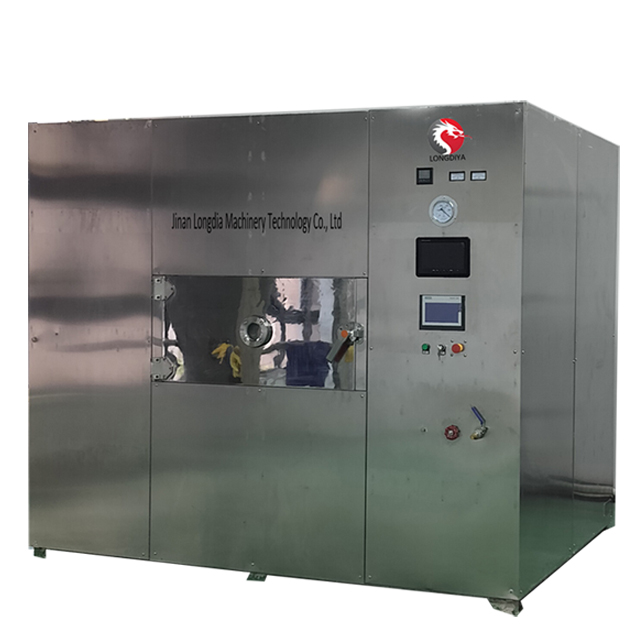
Traditional drying methods, such as air drying, freeze-drying, or oven drying, all involve heating materials in a way that can be inefficient or damaging. Freeze-drying, while effective at preserving product quality, takes a significant amount of time and energy. On the other hand, microwave vacuum drying is much faster, reducing drying times from hours or days to just a few minutes.
One of the key advantages of microwave vacuum drying over traditional methods is the uniform heating of materials. In conventional drying processes, the heat is applied externally, often resulting in uneven drying and extended processing times. In contrast, microwave vacuum drying heats materials volumetrically, meaning that the entire product dries at the same time, leading to consistent results and faster turnaround.
Another significant difference is the ability to preserve product quality. Traditional drying methods often expose products to high temperatures, which can degrade heat-sensitive materials. Microwave vacuum drying operates at lower temperatures, making it ideal for preserving delicate compounds like vitamins, flavors, and active pharmaceutical ingredients.
Low-temperature microwave vacuum drying is particularly effective in preserving the quality of heat-sensitive materials. In the food industry, it ensures that fruits, vegetables, and herbs retain their original flavor, color, and nutrients. For example, fruits dried using this method retain their vibrant color and rehydrate more effectively compared to those dried using traditional methods like air drying or freeze-drying. The technology also preserves the texture of meat and other food products, ensuring they remain tender and fresh.
In the pharmaceutical industry, low-temperature drying prevents the degradation of active pharmaceutical ingredients (APIs) such as vitamins, antibiotics, and hormones. The ability to maintain the integrity of these sensitive compounds is crucial for their efficacy and safety. Additionally, the gentle drying process reduces the risk of contamination and oxidation, ensuring that the final product is pure and potent.
For companies in food and pharmaceuticals, adopting low-temperature microwave vacuum drying technology can significantly improve the quality of their products while maintaining the integrity of sensitive ingredients.
The speed of drying is one of the most compelling reasons businesses are adopting microwave vacuum drying technology. Traditional drying methods, such as freeze-drying or air drying, can take hours or even days to complete. In contrast, microwave vacuum dryers complete the drying process in a fraction of the time, often within minutes.
This rapid drying process is particularly valuable in industries like food processing, where speed is essential to maintain freshness and avoid spoilage. In pharmaceutical manufacturing, the faster drying times increase production throughput, reducing the time required to bring products to market.
Drying Method | Time Required | Key Advantage |
Microwave Vacuum Drying | Minutes to hours | Rapid processing, energy-efficient |
Freeze-Drying | Hours to days | Best for preserving appearance and structure |
Air Drying | Hours | Simple, but less efficient |
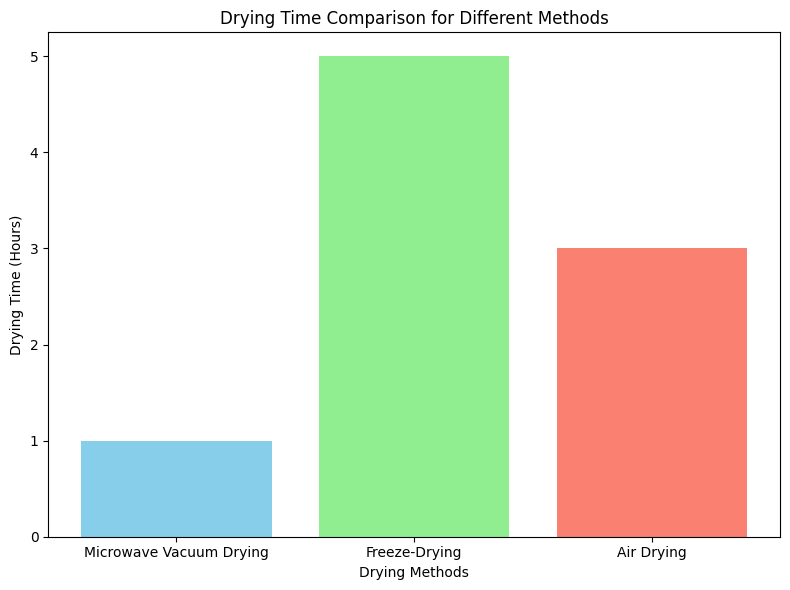
As illustrated in the chart below, microwave vacuum drying drastically reduces drying times compared to traditional methods like freeze-drying and air drying.
Low-temperature microwave vacuum dryers are more energy-efficient than traditional drying systems. In conventional methods like freeze-drying or air drying, energy is lost in the form of heat and air movement, which increases operational costs. Microwave vacuum dryers, however, focus energy directly on the water molecules within the material, reducing waste and improving overall energy efficiency.
This energy efficiency is particularly important in industries with high energy consumption, such as food processing and pharmaceuticals. By reducing the energy required for drying, businesses can lower their utility bills and reduce their environmental impact.
Microwave vacuum drying is widely used in the food industry to preserve fruits, vegetables, herbs, and bioactive compounds in nutraceutical products. This method retains the color, texture, and nutritional value of these products, making it an ideal solution for creating high-quality food items and supplements. For example, it is used to dry organic fruits and vegetables while preserving their vitamins, antioxidants, and other nutrients.
In the pharmaceutical and biotechnology sectors, microwave vacuum drying is essential for preserving the integrity of sensitive compounds such as enzymes, proteins, and antibiotics. This drying method ensures that the active ingredients in pharmaceutical products retain their potency and bioactivity, making it a critical process for high-quality drug manufacturing.
Microwave vacuum drying is also used in the production of vaccines, probiotics, and fermentation products, where maintaining stability and effectiveness is paramount. The ability to dry these products without exposure to excessive heat is a key advantage that this technology offers.
For pharmaceutical manufacturers, it is important to ensure that the microwave vacuum drying equipment meets all regulatory requirements, including Good Manufacturing Practices (GMP).
Microwave vacuum drying is also used in the chemical and agricultural industries. The technology is suitable for drying high-value materials like botanical extracts, chemical catalysts, and high-grade dyes. Its ability to handle thick or viscous substances with uniform heating makes it ideal for drying materials that are difficult to process with traditional methods.
Moreover, this method is effective in removing moisture from materials that are sensitive to oxidation, ensuring that the dried product maintains its chemical composition and potency.
Thick and viscous materials present a significant challenge in drying. Traditional methods often struggle to remove moisture evenly from pastes, gels, and other thick substances. Microwave vacuum drying solves this problem by providing volumetric heating, ensuring uniform drying throughout the material. This results in consistent product quality and faster processing times.
Thermal degradation is a concern when drying heat-sensitive products, especially in the food and pharmaceutical industries. Traditional drying methods often expose materials to high temperatures, leading to the loss of vital nutrients and bioactive compounds. Low-temperature microwave vacuum drying, on the other hand, operates at much lower temperatures, preventing heat damage and preserving the product's quality.
Inconsistent drying is another common issue with traditional drying methods. This can lead to uneven moisture content in the final product, resulting in inferior quality and potential spoilage. Microwave vacuum drying ensures uniform heating, eliminating moisture gradients and delivering consistent results across all batches.
One of the key benefits of microwave vacuum drying is the level of control it offers over the drying process. With precise regulation of microwave power, vacuum pressure, and temperature, manufacturers can fine-tune the drying process to meet the specific requirements of different materials. This ability to control variables ensures consistent, high-quality products every time.
Implementing microwave vacuum dryers allows for greater process optimization, ensuring repeatable results and improved product consistency.
Microwave vacuum dryers are compact and adaptable to a wide range of production scales. From small laboratory models to large-scale industrial machines, these dryers can be customized to meet the needs of businesses of all sizes. The compact design also allows for easy integration into existing production lines, saving valuable space in industrial settings.
Businesses looking to scale up production should consider the flexibility and scalability of microwave vacuum drying systems to meet future growth demands.
Low-temperature microwave vacuum equipment offers key benefits, including superior product quality, faster drying times, energy efficiency, and versatility across industries. For food processing, pharmaceuticals, and chemical businesses, adopting this technology enhances product quality, boosts production efficiency, and reduces costs. Jinan Longdia Machinery Technology Co., Ltd. provides innovative microwave vacuum drying solutions, preserving heat-sensitive materials and improving throughput, giving businesses a competitive edge. Investing in Jinan Longdia's equipment is a smart choice for companies looking to improve both quality and operational efficiency.
A: Low-temperature microwave vacuum equipment combines microwave energy and vacuum technology to dry materials at lower temperatures, preserving heat-sensitive compounds while ensuring efficient moisture removal.
A: It works by applying microwave energy to heat materials uniformly while the vacuum reduces the boiling point of water, allowing rapid and gentle drying at low temperatures.
A: This equipment offers faster drying times, improved product quality, energy efficiency, and better preservation of heat-sensitive materials compared to traditional methods like air drying or freeze-drying.
A: Industries such as food processing, pharmaceuticals, and chemicals benefit from this technology, as it preserves nutrients, flavors, and active ingredients while accelerating production.
A: It saves energy by directly heating the material and reducing drying times, leading to significant operational cost reductions compared to traditional heating methods.


