

Views: 0 Author: Site Editor Publish Time: 2026-03-11 Origin: Site
What if you could dry your favorite fruits and vegetables in minutes, right in your kitchen? While microwaves are known for heating leftovers, they might just have a hidden talent: drying food efficiently.
In this guide, we’ll explore how a microwave can be used for food dehydration. We’ll examine its benefits, drawbacks, and the advanced role of vacuum microwave equipment in preserving food quality during the drying process.
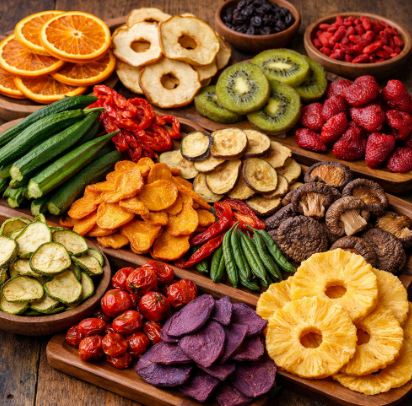
Food dehydration is the process of removing moisture from food, which is essential for preserving it. When food is dehydrated, the water content is significantly reduced, making it less likely to spoil. The main objective of dehydration is to preserve the food's shelf life while retaining its nutrients, flavor, and texture. Traditionally, drying food was done using methods like air drying, sun drying, and mechanical dehydrators, each having its own advantages and limitations.
Dehydration can be achieved in various ways, depending on the type of food, the desired outcome, and available resources. Dehydrators and microwaves are among the modern methods used to dry food, with microwaves offering quicker drying times and lower energy consumption compared to traditional techniques.
Dehydration plays a critical role in food preservation. By removing moisture, dehydration creates an environment where bacteria, molds, and yeasts cannot grow or multiply. In fact, microorganisms need moisture to grow, and by removing it, dehydrated food becomes more resistant to spoilage. Additionally, dehydration helps retain the original flavor, texture, and nutritional value of the food, making it a healthier option than other preservation methods.
For instance, dried fruits like apples, bananas, and strawberries can retain a significant amount of their vitamins and antioxidants, making them a great option for healthy snacks. Similarly, vegetables like peas, tomatoes, and mushrooms can be dried to create shelf-stable products used in soups, stews, and other dishes.
Microwave drying works by using electromagnetic waves to heat water molecules within the food. These waves cause the water molecules to vibrate, generating friction, which in turn produces heat. As the heat increases, moisture evaporates, drying the food. Because microwaves heat food from the inside out, they can dry food quickly and efficiently, unlike traditional methods that rely on external heat sources.
Microwave drying equipment, such as vacuum microwave equipment, is an advanced method that combines microwave energy with a vacuum environment. The vacuum reduces the boiling point of water, enabling faster evaporation at lower temperatures. This combination of technologies ensures that food retains its natural color, flavor, aroma, shape, and nutrients, all while reducing drying times.
This method of drying is particularly useful for fruits and vegetables, which are often sensitive to heat. When dried using vacuum microwave equipment, the produce is less likely to lose its vitamins and antioxidants compared to other methods. The low temperature ensures that the food does not overcook or lose its nutritional value during the drying process:contentReference[oaicite:0]{index=0}.
1. Speed and Convenience: The most significant advantage of microwave drying is speed. Unlike traditional dehydrators, which can take several hours to dry food, a microwave can dry small batches in a matter of minutes. This makes it an ideal choice for quick dehydration tasks, especially when time is a limiting factor.
2. Energy Efficiency: Microwaves are more energy-efficient than traditional dehydrators, especially for small quantities of food. They consume less electricity and provide a faster drying process, making them an economical choice for dehydrating small batches of food.
3. Preserved Nutritional Value: The shorter drying times associated with microwave drying help retain more of the food's nutrients, particularly vitamins and antioxidants. This is a critical benefit for anyone looking to preserve the health benefits of fruits and vegetables during the drying process.
1. Uneven Drying: One of the major drawbacks of microwave drying is the risk of uneven drying. Because microwaves work by heating water molecules directly, they can cause certain parts of the food to dry faster than others, leading to inconsistent texture and moisture levels. This can be remedied by stirring or rearranging the food periodically, but it remains a limitation.
2. Size and Space Restrictions: Microwaves are limited in size, which means that only small batches of food can be dehydrated at once. For large quantities, it may be necessary to run several rounds of drying, which can be time-consuming and inefficient.
Microwaving food for dehydration can save a considerable amount of time compared to traditional methods. Dehydrators, for example, may take several hours to process a batch of food, while microwaves can achieve similar results in just a few minutes. This makes microwaving a practical choice for small-scale dehydration tasks, such as drying snacks or preparing small amounts of ingredients.
Moreover, vacuum microwave equipment offers a more controlled drying process, reducing the drying time and preventing the food from being exposed to excessive heat. This helps to maintain the food's quality while ensuring that moisture is effectively removed without the need for long drying times:contentReference[oaicite:1]{index=1}.
Because microwaving involves shorter drying times, it helps preserve more of the food's nutrients compared to conventional drying methods. Nutrients like vitamins, antioxidants, and minerals are less likely to degrade during the drying process. As a result, microwave-dried food tends to retain more of its nutritional content, making it a healthier option for those looking to preserve the health benefits of fruits and vegetables.
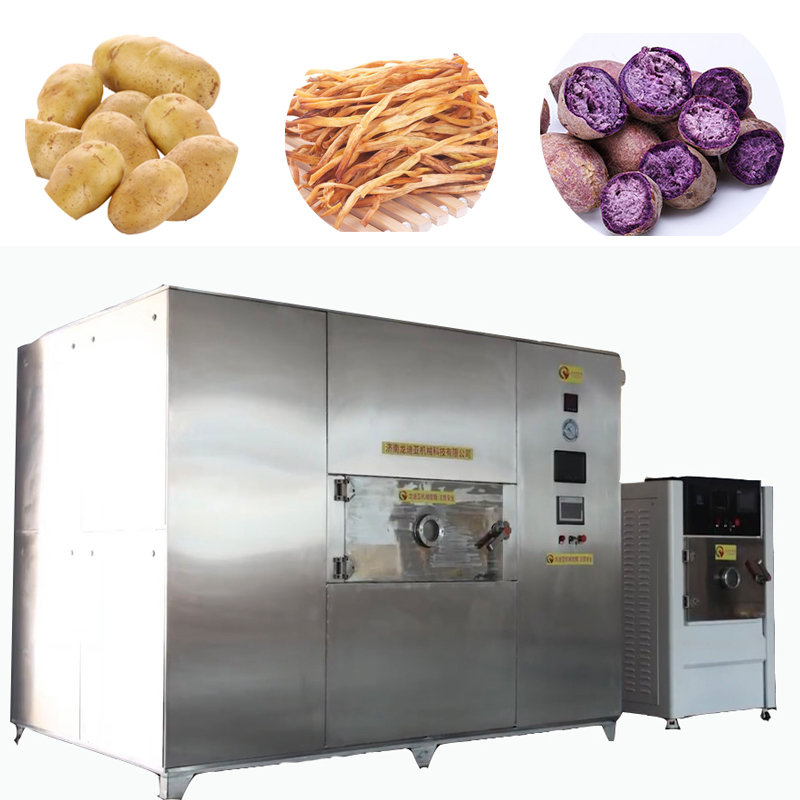
Not all foods are suitable for microwave drying, but some are better suited than others. The following foods work well in a microwave for dehydration:
● Fruits: Apples, bananas, strawberries, and grapes are excellent choices for microwave dehydration.
● Vegetables: Peas, carrots, mushrooms, and tomatoes can be easily dried in a microwave.
● Herbs: Basil, thyme, and mint are also ideal candidates for microwave drying.
These foods contain sufficient moisture to be effectively dried using microwave energy without losing their flavor or nutritional value.
Here’s a simple guide to help you get started with microwave drying:
1. Prepare the Food: Slice or chop the food into uniform pieces. Smaller pieces tend to dry faster and more evenly. Ensure that the food is cleaned properly and remove any seeds or pits, especially for fruits like apples and peaches.
2. Arrange the Food: Place the food in a single layer on a microwave-safe tray or plate. Avoid stacking or overcrowding, as this will prevent even drying.
3. Set the Microwave: Start by setting the microwave to a lower power level, around 30-50% of its maximum. Gradually increase the power if needed, but avoid using the highest setting, as it can cause the food to cook instead of dry.
4. Monitor and Stir: Check the food every few minutes and stir or rearrange the pieces for even drying. This will ensure that the moisture is removed uniformly and the food dries properly.
When using a microwave for food dehydration, always use microwave-safe containers or trays. Glass or ceramic trays work well, but plastic trays with vents or lids are also suitable. The container should be large enough to allow food to be arranged in a single layer to facilitate even drying.
Ensure that the food is spread out evenly in the container. Overcrowding can lead to uneven drying, so it’s essential to leave enough space for air to circulate around each piece of food.
Since microwaves vary by model, it’s crucial to experiment with power levels and drying times. Start with a lower power setting and gradually increase it to find the optimal setting for your specific microwave and the food you're drying.
While microwaving is faster and more energy-efficient, traditional dehydrators tend to offer more consistent results, especially for larger batches. Dehydrators are designed specifically for food drying and provide better control over temperature and air circulation, leading to more uniform texture and moisture retention.
Microwaves are typically less expensive than traditional dehydrators, making them a good choice for individuals or businesses that need to dehydrate food occasionally. However, for larger-scale operations or for those who need to dehydrate significant quantities of food, a dedicated dehydrator may be more cost-effective in the long run.
In conclusion, microwaving food for dehydration is a fast, convenient, and energy-efficient method suitable for small batches of fruits, vegetables, and herbs. Although it may not provide the same level of control as traditional dehydrators, it is a viable option for those looking for a quick dehydration process.
For those needing more precision and larger-scale dehydration, investing in technologies like vacuum microwave equipment can offer enhanced drying capabilities, preserving food's nutritional value and texture while reducing drying times. Jinan Longdia Machinery Technology Co., Ltd. provides innovative low-temperature vacuum drying equipment for fruits and vegetables, offering a faster, more efficient alternative that ensures high-quality results.
A: Yes, microwaves can effectively dry food by using electromagnetic waves to heat water molecules. Vacuum microwave equipment enhances this process by combining microwave energy with a vacuum, allowing faster moisture removal while preserving the food’s quality.
A: Vacuum microwave equipment is used to dry food quickly and efficiently while maintaining its original flavor, color, and nutrients. It works by lowering the boiling point of water, enabling faster moisture removal at lower temperatures, ideal for delicate produce like fruits and vegetables.
A: Microwave drying equipment for fruits and vegetables uses microwave energy to heat water molecules inside the food. The process dries the food quickly by evaporating the moisture. It’s especially effective for preserving the nutritional value and appearance of fruits and vegetables.
A: The advantages of vacuum microwave equipment include faster drying times, better preservation of nutrients, and retention of color and flavor. This method is ideal for high-quality, nutrient-dense products like fruits and vegetables, with minimal heat damage during the drying process.
A: Microwaving food for dehydration is typically more cost-effective for small batches since it uses less energy and dries food more quickly. However, for large-scale production, traditional dehydrators or specialized vacuum microwave equipment might offer a better long-term investment.


