Views: 0 Author: Site Editor Publish Time: 2026-08-25 Origin: Site
Batch changeovers often become the biggest bottlenecks in pharmaceutical manufacturing today. They directly impact your Overall Equipment Effectiveness (OEE) and operational efficiency. Cleaning validation consumes valuable production hours between batches. The stakes remain incredibly high across this industry. Cross-contamination risks pose severe threats to patient safety and product integrity. You face stringent cGMP compliance requirements during every regulatory inspection. Losing high-value active pharmaceutical ingredients (API) during inefficient washes drains overall profitability. Many operators struggle to balance rapid turnaround times against rigorous sanitation standards. We must evaluate verifiable design features to solve these pervasive issues. Basic sanitary claims no longer suffice for complex powder handling systems. You need quantifiable evidence of hygiene and rapid drainability. This article serves as a technical evaluation guide for your engineering team. It helps you assess modern drying systems effectively. We will explore structural geometry, surface treatments, and advanced heating methods. You will learn how verifiable design directly streamlines validation protocols.
True cleanability requires evaluating surface finishes (Ra values), radius corners, and the elimination of dead legs, not just standard CIP/WIP compatibility.
The choice between conventional and advanced technologies (like microwave vacuum drying) directly dictates your cleaning validation protocols.
Partnering with the right pharma dryer supplier requires rigorous vetting of their Factory Acceptance Testing (FAT) and Site Acceptance Testing (SAT) for cleanability metrics.
A life cycle approach to cleaning validation ensures long-term compliance and minimizes regulatory audit risks.
Prolonged cleaning cycles carry a heavy financial burden. Plant managers routinely underestimate the true cost of these mandatory changeovers. You must calculate the exact downtime associated with manual swabbing protocols. Visual inspections require technicians to halt operations and examine internal chambers carefully. Repeated wash-and-rinse cycles between distinct API batches consume massive amounts of water and time. Every hour spent cleaning is an hour of lost production capacity. You lose potential revenue while waiting for quality assurance approvals. Complex machinery often requires dismantling before thorough cleaning can even begin. This manual intervention increases labor costs and introduces human error risks.
We must frame cleanability as a strictly quantifiable metric. Integrating highly cleanable drying equipment transforms operational efficiency. Success means drastically reducing changeover times across all product lines. You should aim to minimize the use of harsh chemical solvents. Predictable and repeatable cleaning validation becomes the ultimate goal. Operators need automated systems to run wash recipes without constant supervision. Quantifiable success also involves measuring the reduction in water usage during Clean-in-Place (CIP) sequences. Verifiable data proves your investment yields tangible process improvements over time.
We must address a skeptical reality regarding pharmaceutical processing. Achieving 100% automated, intervention-free cleaning remains extremely difficult. Complex powder handling naturally creates tough residue challenges. Wet cakes and sticky granules behave unpredictably inside drying chambers. Therefore, complete elimination of human oversight is rarely achievable. The realistic goal is optimized, verifiable cleaning. You want to automate the bulk of the wash phase effectively. Technicians only step in for final targeted inspections or minor out-of-place cleaning tasks. This balanced approach ensures safety while maximizing equipment uptime.
Surface finish dictates how easily residue releases from equipment walls. You cannot compromise on topography when handling potent APIs. The industry requires strict mechanical polishing followed by expert electropolishing. A surface roughness average (Ra) of less than 0.4 µm represents the gold standard. This microscopic smoothness prevents severe API adhesion during the drying phase. It simultaneously inhibits dangerous microbial growth between active batches. Rough surfaces create microscopic valleys where powders trap and harden. Electropolishing removes these peaks and valleys effectively. It leaves a passive, chromium-rich layer on stainless steel components.
Geometry significantly influences the success of automated wash cycles. You must inspect the structural design of any pharmaceutical vacuum dryer before purchase. Sharp ninety-degree corners represent severe contamination hazards. Engineers must implement coved or radius corners throughout the entire vessel. Sloped flat surfaces remain absolutely necessary for reliable gravity draining. Wash fluids must flow naturally toward designated exit ports. Strict elimination of "dead legs" is a non-negotiable design requirement. Dead legs act as stagnant pockets where wash fluid pools and bacteria multiply. Smooth internal transitions guarantee that rinse water leaves the system completely.
Wash-in-Place (WIP) and Clean-in-Place (CIP) systems demand flawless integration. Adding spray balls as an afterthought rarely produces compliant results. You must evaluate the strategic placement of all internal wash components. Retractable nozzles offer excellent coverage while avoiding product interference during drying. Automated wash skids supply the necessary pressure, temperature, and detergent concentrations. We require full chamber coverage without any shadowing effects. Shadowing occurs when agitators or baffles block the CIP spray trajectory. Engineers solve this by utilizing computational fluid dynamics to position spray devices perfectly.
Seals, gaskets, and filters often harbor hidden contaminants. These secondary components require meticulous engineering for hygiene. You must insist on FDA-approved, crevice-free O-rings for all connections. Standard O-rings often allow microscopic powder ingress behind the seal profile. Easy-to-remove mechanical seals facilitate swift out-of-place cleaning (COP). Exhaust filters handle massive dust loads during the vacuum drying process. Operators need quick-release mechanisms to detach these filters safely. Tool-free dismantling encourages operators to perform thorough inspections routinely. Designing for accessibility ensures secondary components never compromise your primary batch validation.
The physical mechanisms of drying dictate how residues behave. Different technologies create entirely different cleaning profiles. High-heat conductive dryers often bake wet powders onto the internal vessel walls. This thermal degradation forces cleaning crews to use aggressive mechanical scrubbing. Alternative heating methods manipulate moisture without extreme boundary layer temperatures. We must compare how these thermal dynamics impact your subsequent CIP protocols. Selecting the right technology drastically reduces the physical effort required during batch changeovers.
A modern low-temperature pharmaceutical dryer solves many traditional baking issues. Processing at reduced temperatures prevents sensitive APIs from burning. The boundary layer between the product and the steel wall stays relatively cool. This thermal control significantly eases the mechanical effort required during the wash phase. Residues remain soluble and wash away with standard detergent cycles. You avoid the hardened encrustations that plague conventional steam-jacketed systems. Low-temperature methods protect product efficacy while simultaneously shrinking your turnaround timeline.
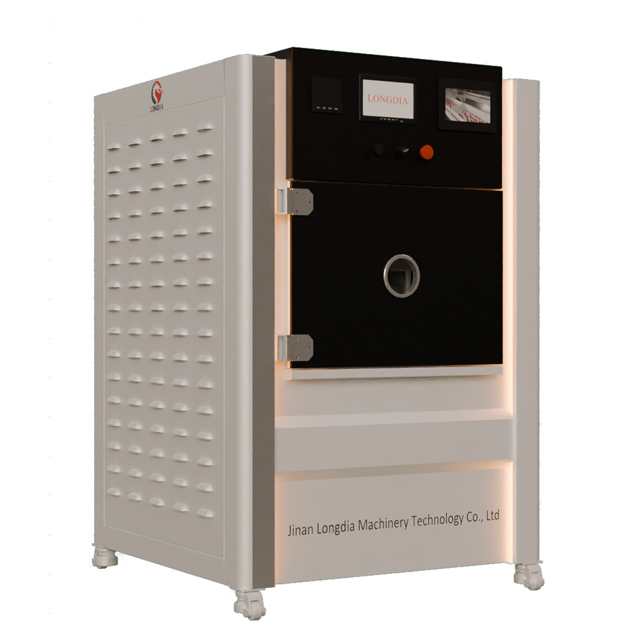
We must also evaluate the unique cleanability profile of advanced electromagnetic systems. Implementing microwave vacuum drying offers distinct operational advantages. Volumetric uniform heating completely eliminates dangerous hot spots. The absence of a heated jacket prevents product encrustation on the chamber walls. However, microwave systems introduce specific design considerations for cleaning protocols. You must clean microwave-transparent boundaries and delicate waveguides carefully. These components require specialized wash nozzles to prevent fluid ingress into the magnetron assemblies. Let us review a technical comparison of how these distinct methods influence your daily washing routines.
The table below compares fundamental heating mechanisms against their respective cleaning requirements.
Technology Type | Heating Mechanism | Residue Characteristics | Cleaning Validation Impact |
|---|---|---|---|
Conventional Vacuum Drying | Conductive heat via steam/fluid jacket | High risk of burn-on at boundary walls | Requires aggressive solvents and high-pressure CIP |
Low-Temperature Vacuum Drying | Gentle conductive/convective heat | Soft, soluble residue; no baking | Easily removed via standard WIP/CIP spray cycles |
Microwave Vacuum Drying | Volumetric electromagnetic heating | Minimal wall contact drying; no hot spots | Requires careful cleaning of waveguides and transparent windows |
Regulatory bodies expect verifiable proof of cleanliness before releasing production batches. We must connect equipment features directly to ISPE guidelines and strict cGMP requirements. Regulators no longer accept visual inspection as the sole proof of hygiene. They demand traceable data and scientifically sound methodologies. Equipment design serves as the foundation for this regulatory compliance. If a dryer lacks hygienic geometry, no amount of chemical cleaning will satisfy auditors. You must integrate compliance directly into the structural engineering phase.
Adopting a life cycle approach to cleaning validation ensures long-term regulatory success. This approach encompasses Process Design, Process Qualification, and Continued Process Verification. During Process Design, engineers establish the optimal wash parameters based on equipment geometry. Process Qualification tests these parameters rigorously during the initial commissioning phase. Continued Process Verification relies on consistent sensor data from the automated wash skids. Verifiable equipment design seamlessly supports all three distinct stages. It turns theoretical compliance into a practical, everyday operational reality.
Validation enablement requires specific physical features built into the machinery. Strategically placed inspection ports allow quality control teams to verify internal conditions safely. Operators should not need heavy tools to open these critical viewports. Tool-free dismantling facilitates the required rib-swabbing tasks across complex internal geometries. Swabbing confirms that chemical residues and microbial counts remain below acceptable thresholds. Visual residue limits (VRL) checks become highly accurate when operators have unobstructed sightlines. Good design empowers your quality team to execute their validation tasks efficiently.
Selecting the right manufacturing partner involves looking far beyond initial price tags. You must define strict vetting criteria during the early evaluation phase. Always demand computational fluid dynamics (CFD) spray coverage reports from prospective vendors. These digital simulations prove that CIP nozzles reach every internal surface effectively. Require comprehensive material certificates for all stainless steel and polymer components. A reputable pharma dryer supplier will provide this documentation without hesitation. Thorough vetting protects your facility from buying fundamentally flawed machinery.
Implementation realities often challenge ambitious engineering upgrades. Discuss the inherent risks of retrofitting clean-in-place systems onto legacy equipment. Bolt-on spray balls frequently create new dead legs and shadowing issues. Buying natively integrated solutions guarantees that wash dynamics match the chamber geometry perfectly. Native integration means the automation software controls both drying and washing seamlessly. Retrofits often suffer from disjointed controls and unpredictable fluid dynamics. Investing in purpose-built hygienic equipment prevents expensive operational delays downstream.
Acceptance testing validates your purchase before it reaches your facility. Emphasize the absolute necessity of performing Riboflavin (Vitamin B2) coverage tests during the Factory Acceptance Testing (FAT). Technicians spray a fluorescent Riboflavin solution across all internal surfaces. The automated CIP cycle runs, followed by a thorough UV light inspection. This test visually verifies that spray patterns reach all critical areas. You must execute this protocol before the equipment ever ships to your site. Identifying shadowing issues during FAT saves immense time and capital.
Buyers must execute specific next-step actions to secure optimal equipment.
Request CFD modeling reports for internal chamber wash dynamics.
Verify the specific Ra value and electropolishing standards used during manufacturing.
Ask vendors how their software handles automated recipe management for distinct wash cycles.
Demand documentation trails proving FDA compliance for all internal seals and gaskets.
Schedule a mandatory Riboflavin coverage test during the upcoming FAT.
Investing in high-end cleanability features dramatically improves your manufacturing efficiency. Eliminating manual swabbing and extended rinse cycles recovers hundreds of valuable production hours annually. Purpose-built hygienic geometries and advanced surface finishes mitigate severe compliance risks effectively. When equipment drains properly and cleans predictably, your validation protocols become streamlined and reliable. Automated wash systems protect your operators from harsh chemical exposure. We strongly encourage readers to audit their current changeover timelines immediately. Identify the specific bottlenecks draining your operational capacity. Request detailed spray-coverage documentation and CFD reports from prospective vendors during your next procurement cycle. Prioritize verifiable design over basic sanitary claims to secure your long-term production goals.
A: The pharmaceutical industry standard demands a surface roughness average (Ra) of less than 0.4 µm. Manufacturers achieve this through precise mechanical polishing followed by electropolishing. This ultra-smooth finish prevents active pharmaceutical ingredients from adhering to the walls. It also eliminates microscopic crevices where dangerous microbial growth typically occurs between batches.
A: Yes, it drastically reduces and practically eliminates API burn-on. Low-temperature processing prevents thermal degradation at the boundary layers. Because the vessel walls never reach scorching temperatures, wet powders do not bake into hard encrustations. This mechanism keeps residues soft and highly soluble for standard wash cycles.
A: Technicians spray a fluorescent Riboflavin (Vitamin B2) solution across all internal surfaces. After running a standard CIP rinse cycle, they inspect the chamber using an ultraviolet (UV) light. Any remaining fluorescence indicates a blind spot or shadowing. This visually proves whether spray nozzles provide complete coverage.
A: Microwave systems lack traditional heat-transfer jackets, which eliminates baked-on residues along the outer walls. However, they possess unique geometries like microwave-transparent boundaries and waveguide windows. These specific components require targeted cleaning protocols and specialized nozzles to ensure fluid does not enter the magnetron assemblies during wash cycles.