Views: 0 Author: Site Editor Publish Time: 2026-08-19 Origin: Site
Industrial processors constantly face a frustrating bottleneck on the factory floor. They must choose between the fast throughput of standard air drying and the premium product retention of freeze drying. This familiar dilemma forces plant managers to sacrifice either production scale or cellular integrity. Fortunately, modern thermal processing provides a highly effective middle ground for specialized operations. We frame this technology not as a universal replacement for all legacy methods. Instead, it serves as a highly targeted operational bridge. It directly optimizes your return on investment for specific high-value product categories. Our article provides a realistic, engineering-focused framework for procurement decision-makers. We will help you carefully evaluate if this advanced technology fits your specific production line. You will learn how to assess material suitability, analyze operational efficiency, and navigate common implementation challenges.
Operational Bridge: Vacuum microwave technology reduces drying times from days to hours compared to freeze drying, at a fraction of the energy cost.
Quality Retention: It excels at preserving cellular structure, color, and volatile compounds in heat-sensitive materials.
CAPEX vs. OPEX: While initial capital expenditure is high, the operational efficiency yields a rapid ROI for high-margin products.
Mandatory Testing: Procurement must always begin with pilot-scale feasibility testing due to the unique dielectric properties of different materials.
Commercial freeze dryers create severe operational bottlenecks for modern manufacturers. These massive lyophilizers require prohibitive energy inputs to operate daily. Cycle times stretch aggressively from 24 to 72 hours per batch. This extreme duration delays order fulfillment significantly. It also ties up valuable facility floor space for days. Processors struggle to scale their operations efficiently under these constraints. Trapped inventory sitting in static chambers hurts overall supply chain velocity. Plant engineers constantly search for faster alternatives.
Implementing low-temperature microwave drying changes this dynamic entirely. Microwave energy targets water molecules directly inside the material. It excites these molecules within the core of the product. The rapid dipole rotation generates internal friction. This friction produces immediate, uniform heat. Simultaneously, the vacuum environment significantly lowers the boiling point of water. Moisture evaporates rapidly at gentle temperatures. You can safely achieve phase change between 30°C and 40°C. This combination protects fragile molecular structures perfectly.
Legacy thermal systems rely heavily on conductive heat transfer. Heat moves slowly from the outside toward the center. This exterior baking often causes severe case hardening on products. The hardened surface traps core moisture inside. Volumetric heat generation prevents this surface hardening completely. It aggressively accelerates the phase change of water throughout the matrix. You achieve uniform moisture removal in a fraction of the traditional time. Operators measure drying cycles in minutes or hours, rather than days.
Not every product requires a highly specialized heat-sensitive material dryer. You must define strict biochemical thresholds to justify this capital expenditure. High-value materials degrade rapidly under conventional high-heat exposure. You need a gentle process to protect their integrity.
Active Pharmaceutical Ingredients (APIs): These compounds lose efficacy if exposed to sustained thermal stress.
Probiotic Dairy Cultures: Live bacteria demand low temperatures to maintain high survivability rates.
Premium Botanicals: Herbs and functional mushrooms retain essential oils and volatile flavor compounds much better.
Enzyme Formulations: Industrial enzymes denature quickly unless dried under deep vacuum conditions.
Rapid vapor expansion under vacuum creates a distinct physical transformation. We call this the "puffing" effect. Internal steam presses against the cellular walls before escaping. This structural change proves highly desirable for many consumer goods. Healthy snack foods become remarkably crisp and airy. Dried fruits retain a vibrant, voluminous appearance instead of shriveling. However, you must carefully adjust formulations when producing fine powders. The altered cellular density directly impacts bulk density metrics. Process engineers must recalibrate packaging volumes accordingly.
We advise against using this technology for low-margin, bulk commodities. Basic grains do not require such precise atmospheric control. Standard animal feed processes perfectly fine using cheap rotary drum dryers. The unit economics simply do not justify the advanced technology investment here. You need high-margin end products to secure a fast return. Avoid overly dense, non-porous materials that block vapor escape. Always match the equipment sophistication to the final retail value.
You must evaluate energy consumption per kilogram of water removed. Conventional methods waste massive amounts of expensive thermal energy. They constantly heat the surrounding air and thick chamber walls. An advanced vacuum microwave dryer transfers energy directly into the product mass. This highly focused energy usage slashes operational expenditures significantly. You pay only to heat the targeted moisture. The vacuum pumps consume electricity, but the shortened cycle time offsets this cost.
Physical space equals hard money in modern manufacturing facilities. Massive industrial freeze-drying chambers dominate valuable factory floors. They require expansive utility rooms for specialized refrigeration compressors. Continuous microwave systems offer remarkable floor space savings. They consolidate the entire drying process into a much tighter footprint. This efficiency frees up valuable real estate for additional packaging lines. Facility managers appreciate the simplified utility connections.
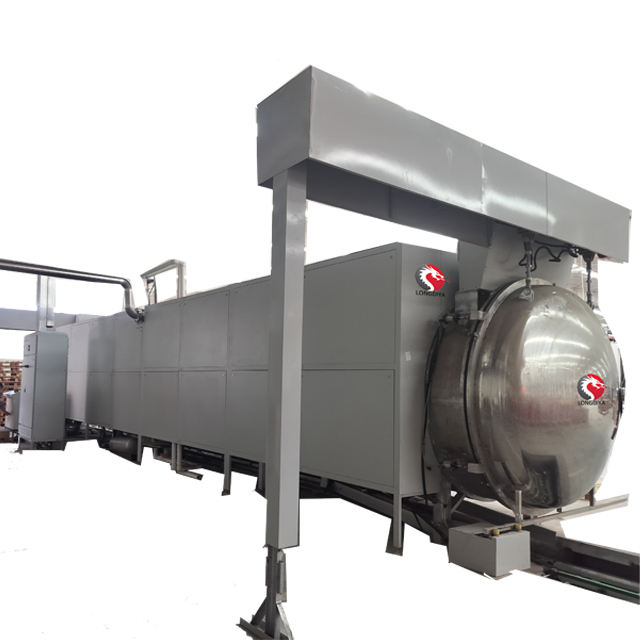
Processors must choose the correct structural configuration for their daily volumes. You face two primary architectural paths. Batch processing configurations work exceptionally well for highly regulated pharmaceutical operations. They allow precise lot traceability and rigorous containment. Continuous belt configurations suit high-volume food processing much better. They handle steady product streams effortlessly through innovative airlock systems. Review the comparison below to guide your initial facility planning.
Drying Method | Typical Cycle Time | Heat Transfer Mechanism | Cellular Retention |
|---|---|---|---|
Standard Air Drying | 4 to 12 hours | Conductive (Outside-in) | Low (Significant shrinkage) |
Commercial Freeze Drying | 24 to 72 hours | Sublimation (Deep vacuum) | Excellent (Zero shrinkage) |
Vacuum Microwave | 1 to 3 hours | Volumetric (Core-out) | High (Puffed structure) |
Engineering teams face genuine technical realities when implementing this technology. Drying materials to ultra-low moisture levels in a vacuum presents unique risks. It can cause dangerous microwave arcing inside the chamber. Arcing acts like miniature lightning strikes. Water normally absorbs microwave energy very efficiently. When water leaves the product completely, residual electromagnetic energy seeks other paths. This phenomenon triggers plasma formation if operators do not strictly control the energy field. Advanced control systems prevent this entirely.
Industrial magnetrons generate the core electromagnetic waves. These critical components do not last forever. You must set realistic expectations regarding their operational lifespan. They require periodic replacement to maintain peak continuous power. Factor these scheduled replacement costs into your annual maintenance budget. Running magnetrons at maximum capacity constantly accelerates their wear. Intelligent power stepping extends their usable life significantly.
A continuous processing environment demands rigorous, scheduled upkeep. The mechanical vacuum components handle intense daily stress. Vacuum pumps require regular oil changes to prevent internal contamination. Rubber seals degrade over time and need strict visual inspection. Rotary joints experience constant mechanical wear during operation. Neglecting these essential components compromises the entire vacuum chamber. A minor pressure leak ruins the low-temperature evaporation dynamics immediately.
Transitioning away from conventional thermal drying introduces a steep learning curve. Your facility operators must adapt to new dielectric heating parameters. They can no longer rely on simple temperature and time dials. They must understand the relationship between vacuum pressure and applied kilowatt power. Comprehensive training becomes a crucial step during facility integration. We recommend assigning dedicated process engineers to oversee the initial ramp-up phase.
Never purchase expensive industrial processing machinery blindly based on brochures. Procurement must begin with strict material feasibility trials. Sending sample batches to vendor testing facilities remains a non-negotiable first step. Engineers will accurately map the unique dielectric properties of your product. This mapping determines how it reacts to specific electromagnetic fields.
Initial Assessment: Vendors analyze the starting moisture content and target final moisture.
Dielectric Mapping: Engineers measure the dielectric constant and loss factor of the specific material.
Pilot Runs: Small-scale tests reveal the ideal vacuum pressure and power step-down sequence.
Quality Review: You inspect the dried samples for texture, color, and nutritional retention.
Highly regulated industries require impeccable hygiene and strict audit compliance. Detail your specific requirements for automated CIP (Clean-in-Place) protocols. SIP (Sterilize-in-Place) compliance proves absolutely mandatory for delicate dairy applications. The pharmaceutical sector demands smooth structural welds and crevice-free chamber designs. Ensure your vacuum drying equipment meets these rigorous international standards. Verify the grade of stainless steel used in the product contact zones.
Modern thermal processing relies heavily on sophisticated digital automation. PLC-based precise power modulation is an absolute daily necessity. A high-quality industrial microwave system steps down energy automatically. As product moisture decreases progressively, the software reduces power proportionately. This intelligent modulation prevents localized burning and expensive product loss. Demand an intuitive HMI (Human-Machine Interface) for your floor operators. The system should log every batch parameter for quality assurance audits.
Evaluate your potential vendors far beyond the initial equipment sale. Focus heavily on their dedicated post-installation support infrastructure. Check their local parts availability for critical items like magnetrons and seals. Demand transparent scale-up guarantees in your final contract. Moving from pilot lab testing to full commercial production brings unexpected variables. A highly reliable engineering partner ensures this transition goes smoothly. They should provide on-site technicians during the first week of live production.
Deciding to implement this advanced thermal technology requires careful strategic calculation. The final choice hinges entirely on your end product's margin profile. It also depends on identifying exact bottlenecks in your current production throughput. Do not force this specialized equipment onto cheap, low-margin commodities. Instead, leverage it to accelerate the processing of premium, heat-sensitive goods. You gain immense advantages by lowering cycle times and protecting cellular structures. We recommend actionable next steps for your engineering team. Audit your current thermal drying energy costs immediately. Select one or two flagship high-margin products from your portfolio. Send these specific items out for pilot microwave testing. This data-driven approach ensures maximum profitability and seamless operational integration.
A: No, it actually protects them. Because the vacuum lowers the required drying temperature below 40°C, thermal degradation is minimal. The short exposure time further prevents the breakdown of delicate nutrients. Vitamin C and sensitive antioxidants often show superior retention compared to prolonged air drying methods.
A: Continuous systems use specialized airlocks to pass material on a moving belt through the chamber. This happens without breaking the active vacuum, which maximizes throughput for high-volume food processing. Batch systems are enclosed static chambers. They suit highly regulated pharmaceutical operations that demand strict lot traceability.
A: Industrial units comply with strict international safety standards. They are heavily shielded with specialized metal enclosures. The equipment features redundant interlock systems. These interlocks immediately cut all magnetron power if a door or seal is compromised. Factory emissions remain well below standard OSHA regulatory limits.